Control Room Video Walls
Control room video walls provide a centralized visual platform for monitoring live data, video feeds, and operational systems in real time. Designed for 24/7 environments, these large-format displays enhance situational awareness, support faster decision-making, and enable teams to respond effectively to critical events.
In control rooms where continuous monitoring and immediate response are essential, video walls serve as a core operational tool—bringing multiple data sources into a single, shared visual environment.
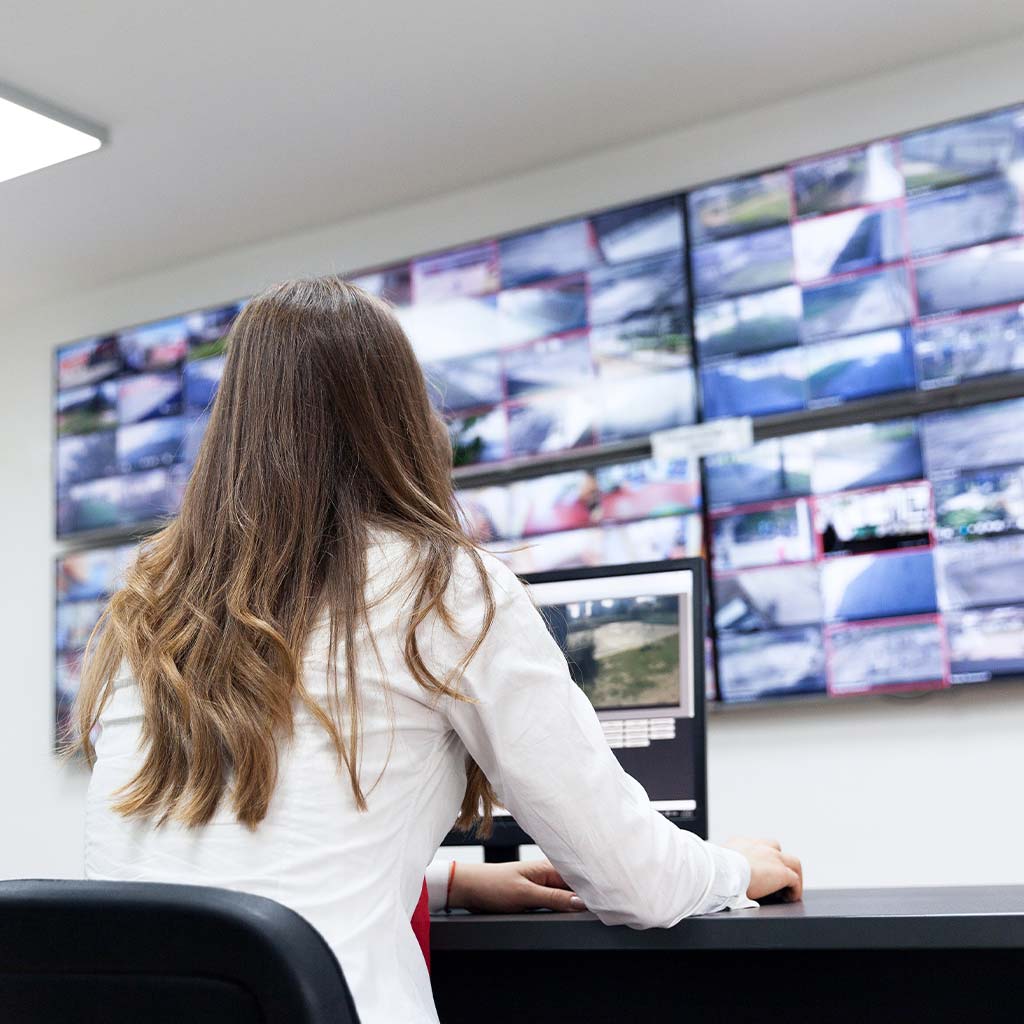
Video Walls for 24/7 Control Room Environments
Control room video walls are engineered for continuous, round-the-clock operation in environments where uptime is critical. Unlike consumer-grade displays, these emergency operations center systems are built to run 24/7 without performance degradation, supporting constant monitoring of live data, video feeds, and operational systems. Professional video wall displays are designed with higher brightness stability, long-lasting components, and thermal management that allow them to operate reliably under sustained use.
In mission-critical control rooms and security operations centers, downtime is not an option. Consumer displays are not designed for continuous operation and often suffer from image retention, reduced brightness, and premature failure when used in always-on environments. Our control room video wall solution is purpose-built to meet uptime requirements, ensuring consistent performance, minimal maintenance, and dependable visibility for operators who rely on real-time information to make fast, informed decisions.
Real-Time Data Visualization & Multi-Source Monitoring
Control room video walls are designed to present multiple live data sources within a single, unified visual environment. Operators can simultaneously view surveillance feeds, operational dashboards, system alerts, maps, and browser based analytics without switching between individual screens. This real-time data visualization improves situational awareness and allows teams to identify patterns, anomalies, and critical events as they occur.
By consolidating information into a shared visual platform, narrow bezel LCD video walls reduce cognitive load and support faster, more coordinated responses. This capability is especially important in control rooms where decisions must be made quickly and based on accurate, up-to-date information.
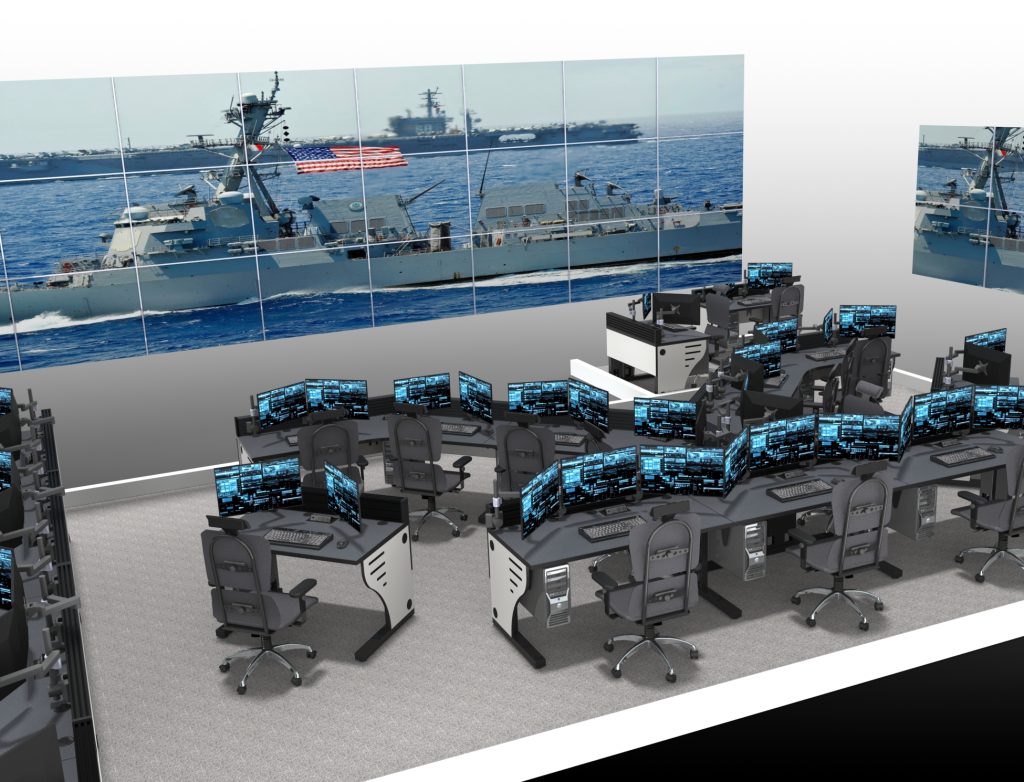
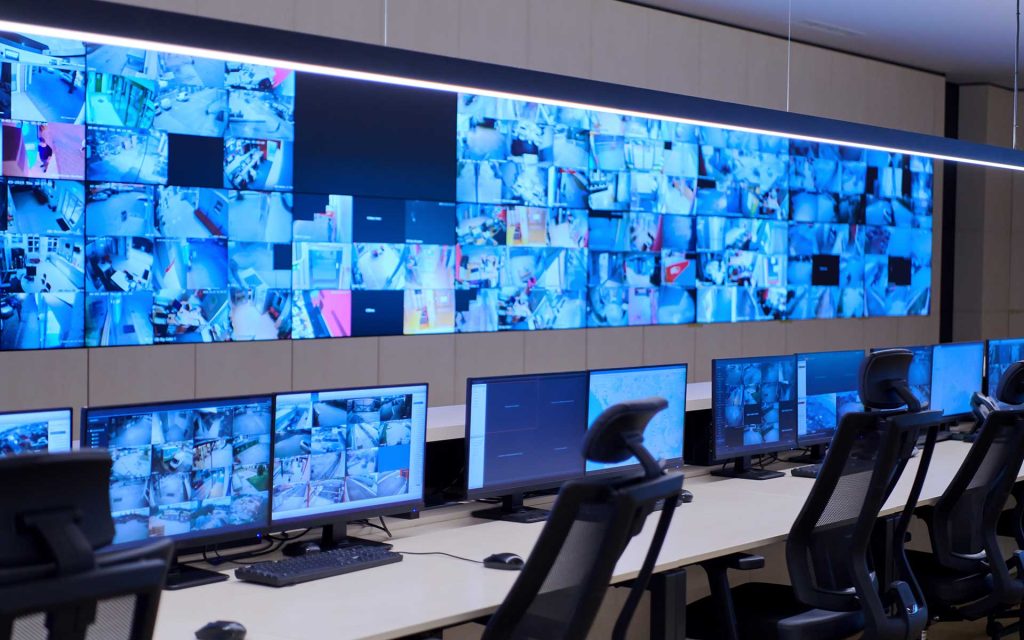
Designed for Continuous 24/7 Operation
Video walls used in control room environments are engineered for continuous operation, supporting always-on monitoring without performance degradation. Professional-grade displays are built to withstand extended runtimes, offering consistent brightness, color accuracy, and image stability even under constant use.
These systems often include features such as remote monitoring, drag and drop, pixel pitch, redundancy support, and automated calibration to maintain performance while minimizing maintenance requirements. This reliability ensures that control room personnel can depend on their video walls at all times, even during prolonged operational periods or critical incidents.
Scalable Configurations for Control Room Environments
Control room video walls are highly adaptable and can be configured to fit a wide range of room sizes, layouts, and operational requirements. From compact wall-mounted displays to large, immersive multi-panel arrays, LED video walls can scale to support both current needs and future expansion. In many environments, these configurations are deployed as control room monitor walls, using professional high resolution displays arranged in multi-monitor layouts to provide continuous visibility across operational dashboards, video feeds, and real-time data.
Flexible configurations allow operation centers & organizations to adjust layouts, add new data sources, or expand display surfaces as monitoring requirements evolve. This scalability ensures that video walls remain a long-term asset rather than a fixed, limited installation.
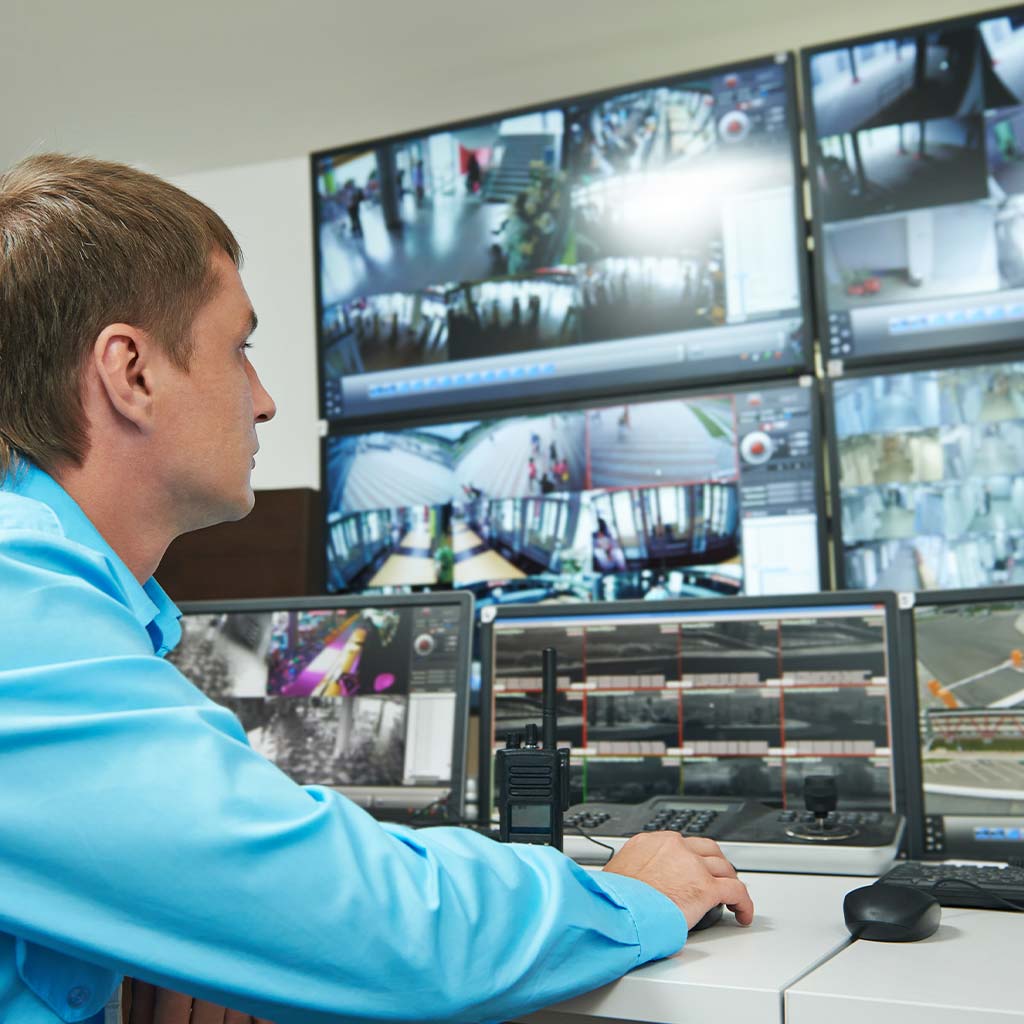
Integrated as Part of a Complete AV Wall System
In most control room deployments, video walls are implemented as part of larger AV wall systems that integrate displays, mounting structures, and supporting infrastructure into a cohesive solution. These systems are designed to work together seamlessly, ensuring consistent performance, clean installation, and efficient operation throughout the entire control room.
When deployed as part of a complete AV wall system, video walls can integrate smoothly with operator consoles, audio systems, and other control room technologies. This system-level approach improves reliability, simplifies management, and ensures that all visual components function as a unified operational platform.
Built for Mission-Critical Control Room Operations
Control room video walls are purpose-built for environments where visibility, reliability, and coordination are essential. Whether supporting security operations, infrastructure monitoring, or enterprise command centers, these systems provide a shared visual foundation that helps teams stay informed and aligned.
By delivering consistent performance, real-time insight, and scalable design, video walls enable control rooms to operate efficiently under pressure—supporting faster decision-making and improved operational outcomes across high-stakes environments.
Frequently Asked Questions About Control Room Video Walls

What is a control room video wall?
A control room video wall is a large-format visual display system designed to present multiple data sources in a single, shared viewing surface. In control room environments, video walls are used to monitor live video feeds, operational dashboards, alerts, and system data in real time to support situational awareness and decision-making.
Are control room video walls designed for 24/7 operation?
Yes. Control room video walls are engineered specifically for continuous, 24/7 use. Unlike consumer displays, professional video wall systems are built with components that support sustained operation, consistent brightness, thermal stability, and long-term reliability in always-on environments.
What types of information can be displayed on a video wall?
Control room video walls can display a wide range of real-time information, including surveillance video, system dashboards, maps, alerts, analytics, and operational data feeds. Multiple sources can be viewed simultaneously, allowing operators to monitor complex environments without switching between individual screens.
How do video walls differ from standard monitors or TVs?
Standard monitors and televisions are not designed for continuous operation and often fail prematurely in control room environments. Video walls use professional-grade displays with higher durability, better heat management, and features like calibration support and remote monitoring to ensure reliable performance under constant use.
Can video walls be customized for different control room layouts?
Yes. Control room video walls can be configured in a wide range of sizes and layouts, from compact wall-mounted displays to large, immersive multi-panel arrays. Configurations can be adapted to room size, viewing distance, and operational requirements, and can scale over time as monitoring needs evolve.
How do video walls fit into larger AV wall systems?
In most deployments, control room video walls are implemented as part of integrated AV wall systems, working alongside mounting structures, operator consoles, audio systems, and supporting infrastructure. This system-level approach ensures consistent performance, clean integration, and efficient operation across the control room environment.
VISION. AUDIO. MANAGEMENT.